
Exploring the Culture of the Mastiguenka
Nestled in the heart of Peru’s lush Amazon rainforest, the Mastiguenka people offer a unique cultural experience. Their way of life, deeply connected to nature, provides invaluable insights into sustainable living and cultural preservation.
This article will look at the Mastiguenka culture. We will discuss their traditions, beliefs, and how they fit into the ecosystem of Manu National Park.

The Enchanting Manu National Park
Manu National Park, a UNESCO World Heritage site, serves as the backdrop for the Mastiguenka’s vibrant culture. Spanning over 1.5 million hectares, it is one of the most biologically diverse areas on the planet. The park is home to countless plant and animal species, many of which are endemic to the region.
A Haven for Biodiversity
Manu National Park’s dense forests and winding rivers create an ideal habitat for a wide range of species. Jaguars, giant otters, and hundreds of bird species thrive here. The park’s unique biodiversity makes it a crucial area for scientific research and conservation efforts.
Who are the Mastiguenka?
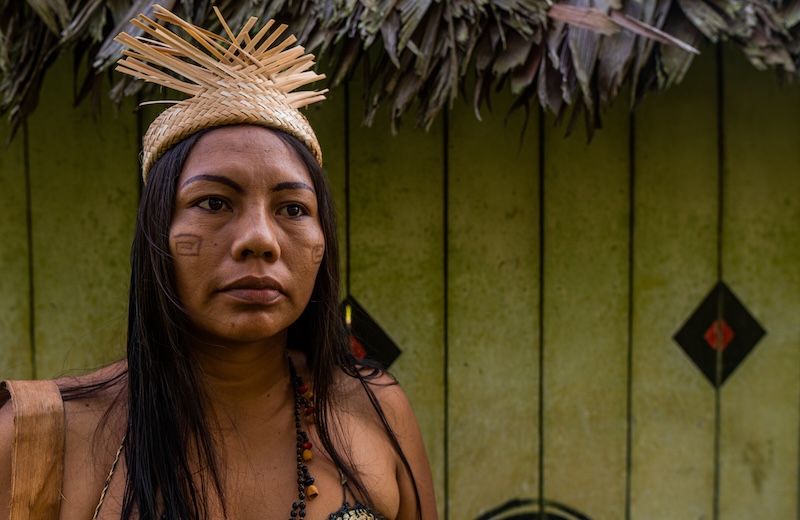
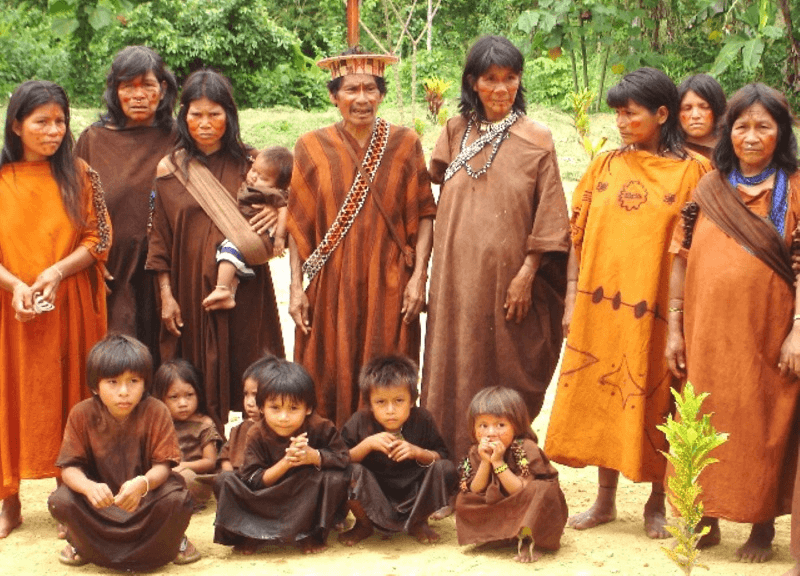
The Mastiguenka, also known as the Machiguenga, are an indigenous group residing within the park. Their traditional lifestyle is intricately connected to the rainforest, reflecting a deep understanding and respect for their environment.
Cultural Traditions and Practices
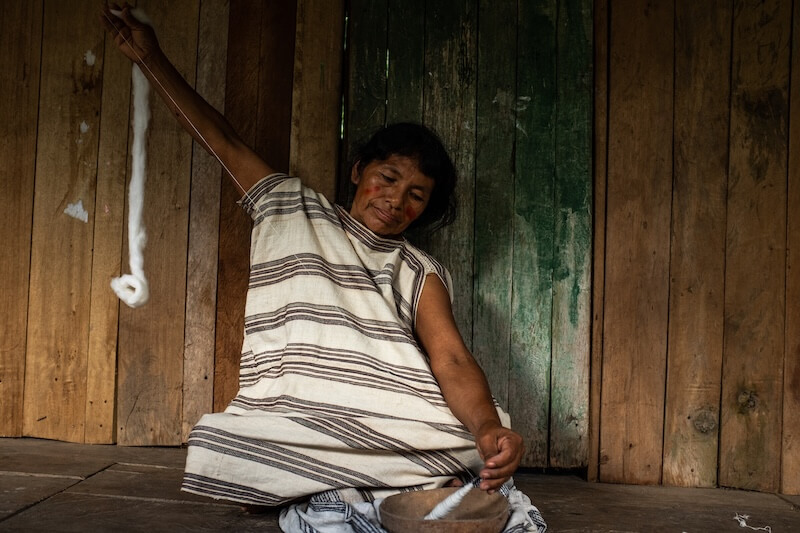
The Mastiguenka are skilled weavers and artisans. They create beautiful textiles and crafts using natural materials found in the forest. Their art is beautiful and tells stories. It shares important cultural tales from one generation to the next.
Spiritual Beliefs and Connection to Nature
Spirituality is a cornerstone of the Mastiguenka way of life. They believe in the interconnectedness of all living things and hold a profound respect for the spirits of the forest. Rituals and ceremonies often involve music and dance, celebrating the harmony between humans and nature.

The Role of the Machiguenga in Conservation
The Mastiguenka play a vital role in the conservation of Manu National Park. Their traditional practices and ecological knowledge contribute to the sustainable management of the park’s resources.
Guardians of the Rainforest
The Mastiguenka’s intimate knowledge of the forest allows them to act as its guardians. They use sustainable hunting and fishing methods. This way, their activities do not harm the ecosystem.
Collaborating with Conservation Efforts
The Mastiguenka work closely with conservation organizations and researchers. Their insights into the local flora and fauna are invaluable for scientific studies aimed at preserving the park’s biodiversity. By sharing their knowledge, they help to foster a deeper understanding of the rainforest’s complexities.
Visiting the Mastiguenka Communities
Travelers to Manu National Park have the opportunity to visit Mastiguenka communities and learn about their way of life. These visits offer a chance to engage with the community, experience their traditions firsthand, and support local initiatives.
Responsible Tourism Practices
When visiting, it is essential to approach with respect and mindfulness. Responsible tourism practices help to ensure that visits are beneficial for both the Mastiguenka and the environment. This includes supporting local guides, purchasing fair-trade crafts, and participating in community-led activities.
Impact on Local Economy
Tourism provides an important source of income for the Mastiguenka. It enables them to maintain their cultural practices and invest in community development projects. By choosing to visit, travelers contribute to the preservation of Mastiguenka culture and the protection of their natural surroundings.

Preserving the Machiguenga Heritage
Preservation of Mastiguenka culture is crucial for maintaining the rich tapestry of human history. Efforts to document and share their stories and traditions are vital for future generations.
Educational Initiatives
Educational programs aimed at both locals and visitors highlight the significance of cultural preservation. These initiatives help to instill pride in Mastiguenka heritage and promote cultural exchange.
Challenges and Opportunities
The Mastiguenka face challenges such as external pressures on their land and resources. However, with the support of conservation efforts and responsible tourism, there are opportunities for cultural revitalization and sustainable development.
Conclusion
The Mastiguenka people embody a profound connection to the natural world. Their culture, deeply rooted in the rainforest of Manu National Park, offers lessons in sustainability and respect for nature.
When we learn about different lifestyles, we gain a better understanding of human culture. It’s vital to preserve this diversity for future generations.
As travelers, we have the opportunity to support their efforts, ensuring that the Mastiguenka’s rich heritage continues to thrive.